Loading…

Waterproofing

What we do

We treat waterproofing as both the material and the work on site. From the foundation to the terrace, micro-mineral systems, liquid and spray coatings, membranes and ready-made drainage keep the building dry.

Micro-mineral waterproofing

01

Micro-mineral waterproofing

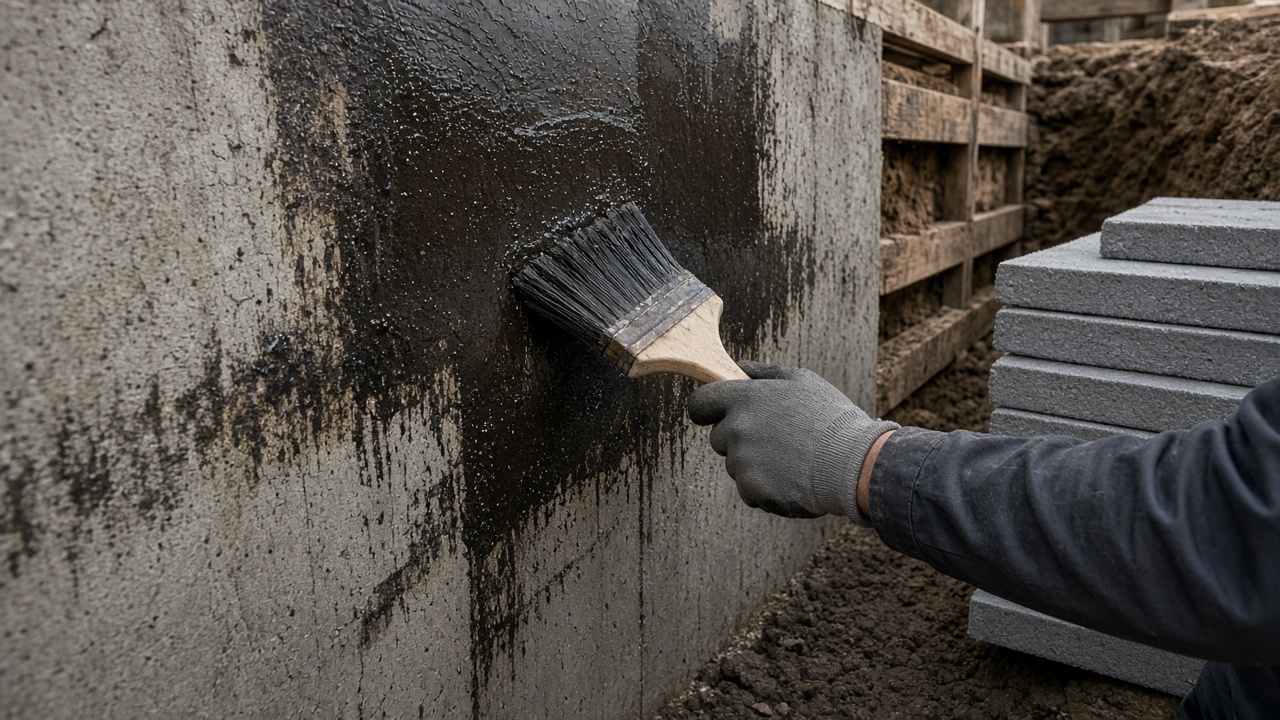
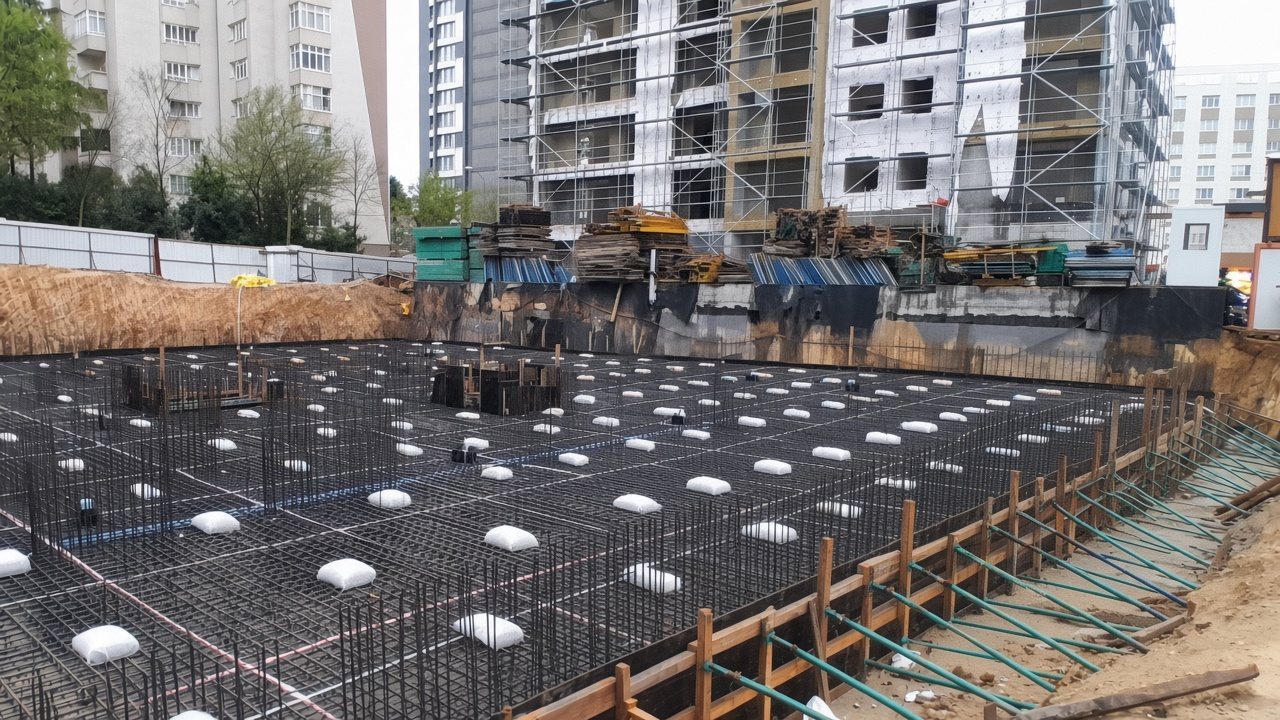
It is broadcast onto the foundation once the reinforcement is tied and just before the concrete is poured. On retaining walls it is brush-applied after the surface is cleaned and repaired. The mineral compound works into the concrete and stops water passing into the structure.

Used onFoundation broadcast and retaining walls

How it is applied

  1. On the foundation it is broadcast evenly after the reinforcement is tied and just before the pour.
  2. No time is left between broadcasting and pouring, so the material stays in place and mixes into the concrete.
  3. On the retaining wall the surface is cleaned, tie holes are filled and cold joints are given a cove.
  4. The micro-mineral material is then brush-applied to the wall.
Polyurethane liquid waterproofing

02

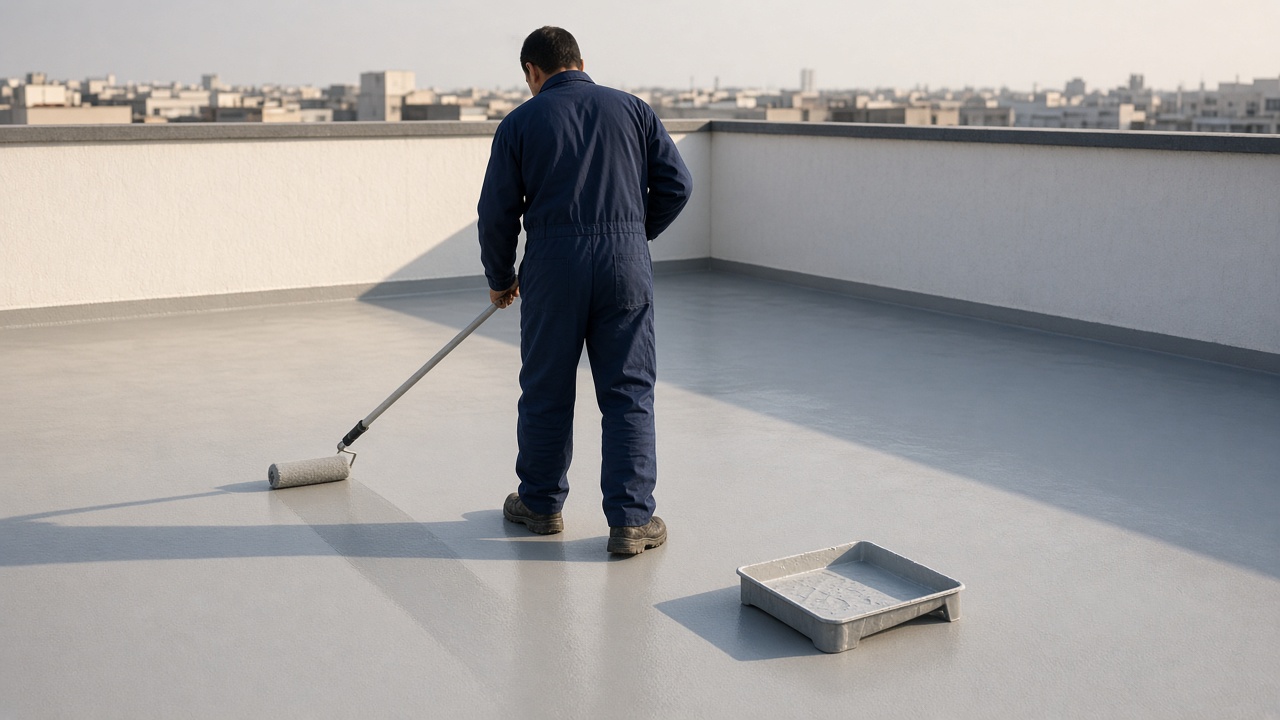
Polyurethane liquid waterproofing

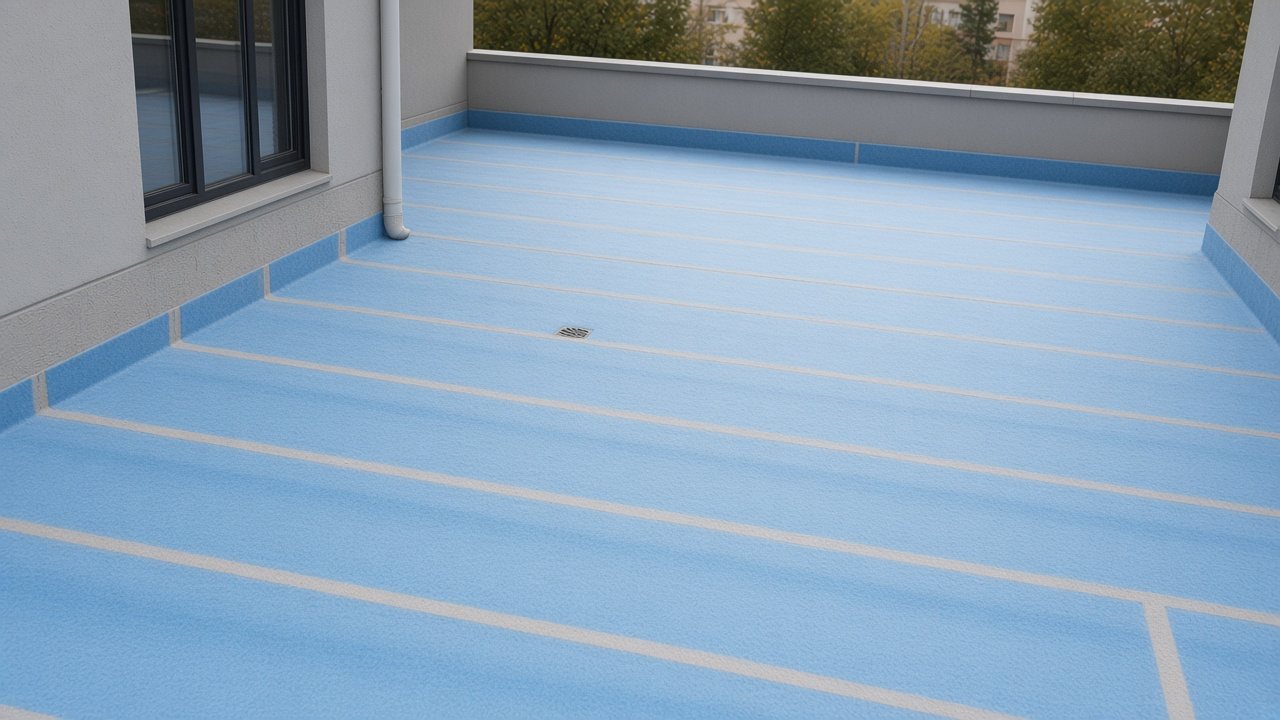
On terraces and parking decks the surface is repaired, primed and finished with a continuous polyurethane liquid membrane.

Used onTerraces and parking decks

How it is applied

  1. The surface is ground and weak areas are repaired.
  2. A primer is applied.
  3. The polyurethane liquid coat is laid.
  4. The area is checked and handed over.
Spray-applied polyurea

03

Spray-applied polyurea

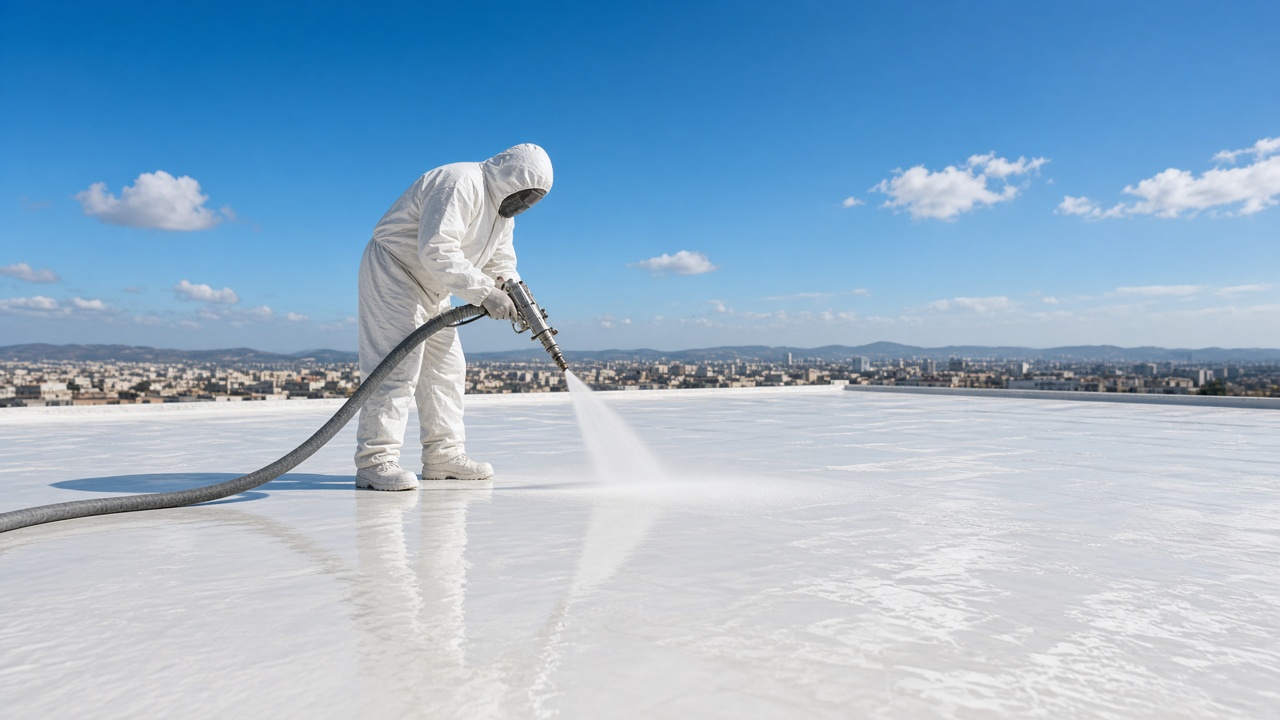
On large horizontal surfaces, sprayed polyurea forms a fast-curing elastic skin with few joints.

Used onTerraces and large horizontal surfaces

How it is applied

  1. The surface is ground and repaired.
  2. A primer is applied.
  3. Polyurea is spray-applied.
  4. The area is checked and handed over.
Bitumen-rubber liquid waterproofing

04

Bitumen-rubber liquid waterproofing

After repairs, a thick bitumen-rubber coat is applied to foundations and retaining walls, then covered with insulation board and a drainage board.

Used onFoundations and retaining walls

How it is applied

  1. Excess concrete and nibs are removed.
  2. Tie bars and stressing rods are sealed with repair mortar and epoxy.
  3. Bitumen-rubber is applied, the first coat acting as primer.
  4. XPS and a drainage board go on top, and the area is handed over.
Textile membrane

05

Textile membrane

It is bonded with its own adhesive mortar, leaving an overlap. A fully elastic coat goes on top, then the area is tested for leaks and handed over.

Used onTerraces and horizontal surfaces

How it is applied

  1. Oil, weak concrete and dust are removed from the surface.
  2. The membrane is bonded with its special mortar, with an overlap allowance.
  3. A polymer-modified, fully elastic coat is applied on top.
  4. A watertightness test is made and the area is handed over.
Sheet membrane waterproofing

06

Sheet membrane waterproofing

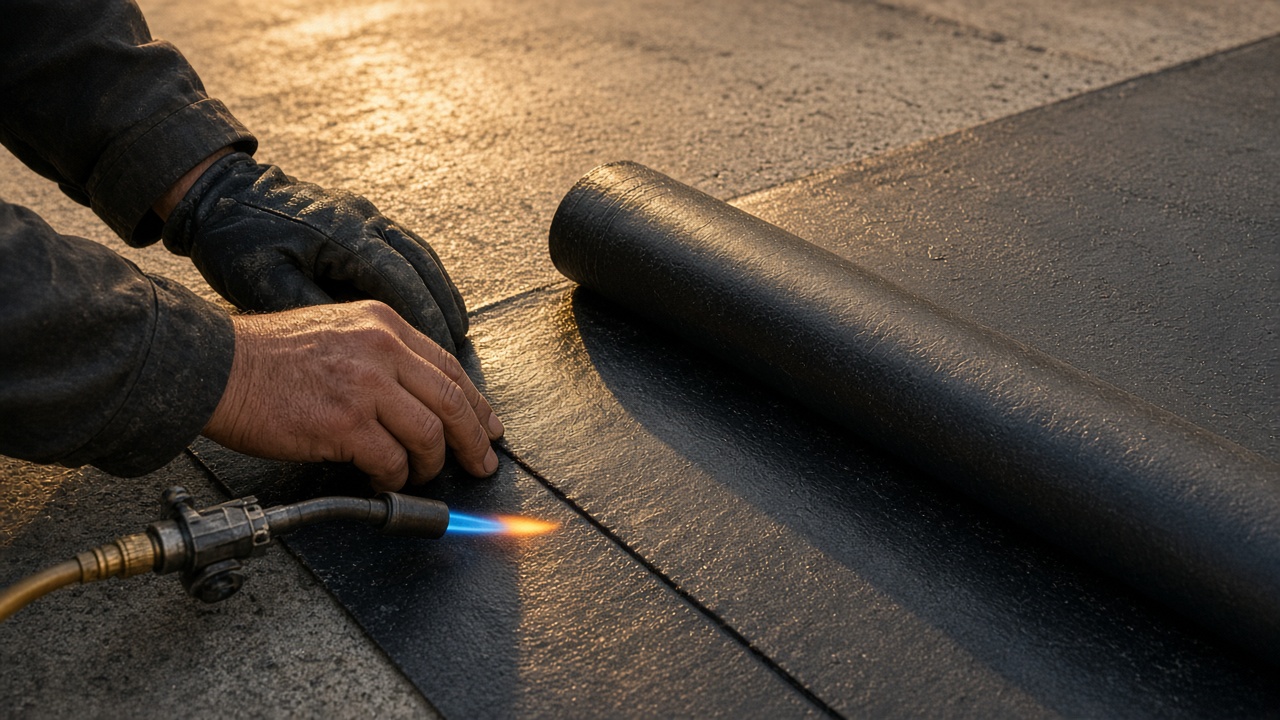
Bituminous sheets are bonded to the surface with a torch or hot air. Edges and overlaps are checked separately so the sheet is fully stuck down.

Used onRoofs, terraces and foundations

How it is applied

  1. The surface is cleaned and made ready to bond.
  2. The membrane is heat-bonded to the surface.
  3. Edges and overlaps are checked for a full bond.
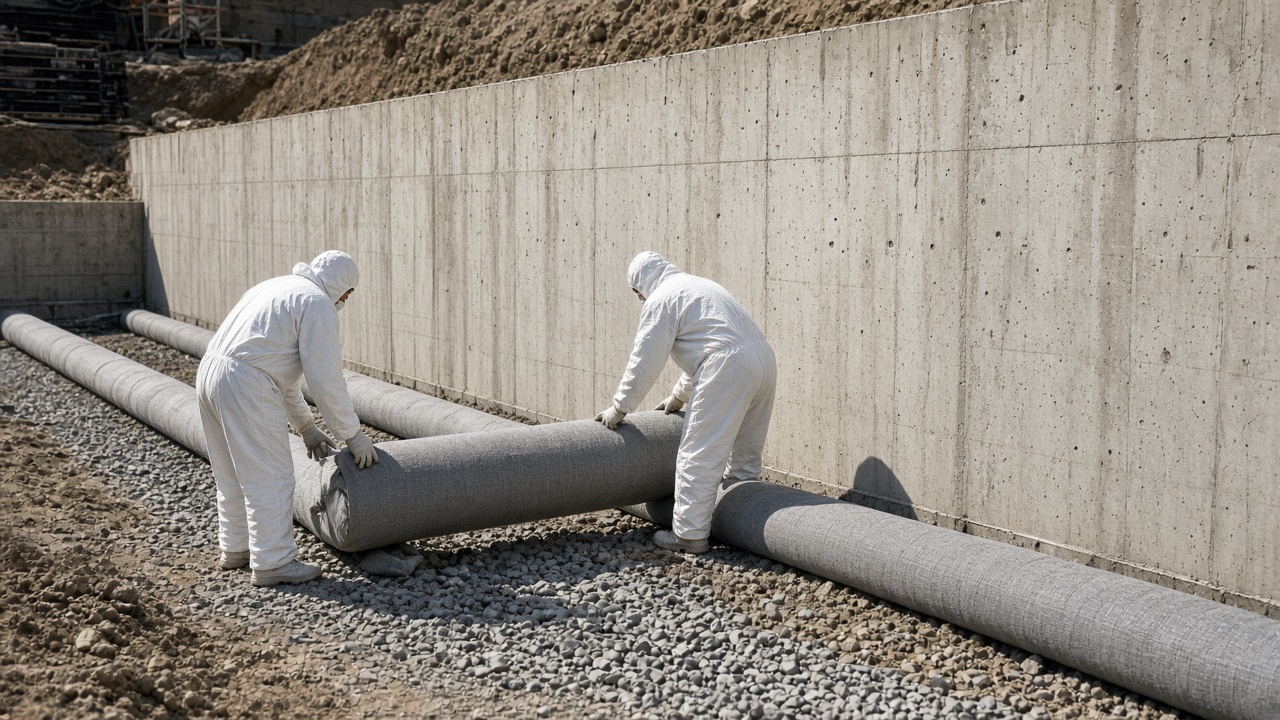
Drenflow drainage

07

Drenflow drainage

A ready-made drain that combines the pipe, the gravel bed and the filtration layer in one coil. It is laid at the foot of the foundation and carries water away from the building.

Used onFoot of foundations and retaining walls

What stands out

  1. The drainage pipe is wrapped in polyurethane aggregate.
  2. That core is enclosed in a purpose-made filtration felt.
  3. The ready coils come in 3 m and 6 m lengths.
  4. They are laid at the foot of the foundation, on the line that leads water away.
Proof membrane system

08

Proof membrane system

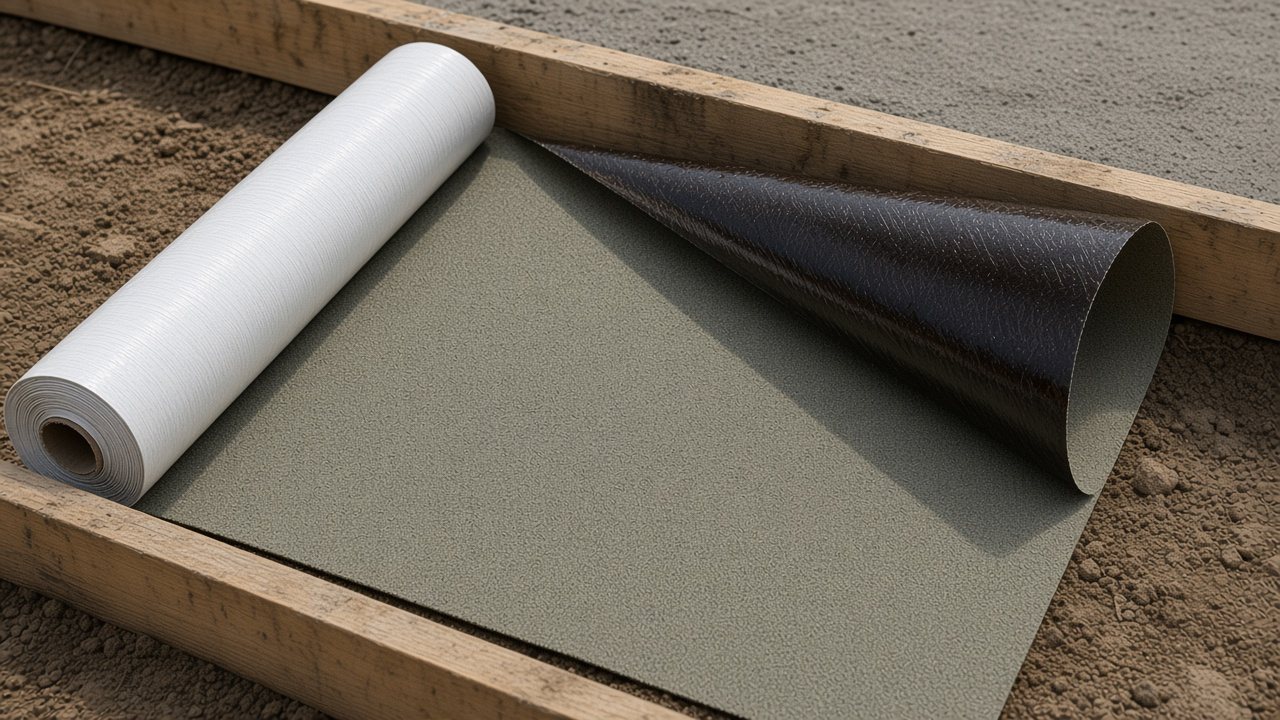
A waterproof and vapour-tight layer. It bonds in a single sheet, works with the formwork wall and does not ask for a separate protection board.

Used onFoundations and formwork walls

What stands out

  1. It limits moisture damage by stopping vapour as well as water.
  2. A single layer means it can be placed on site quickly.
  3. Excavation and labour do not need an extra protection course.
  4. It stands up well to puncture and cutting.

Talk to us about an application

We choose the right system with you for a foundation, retaining wall, terrace or parking deck. A note is enough to arrange a visit or ask a question.

Contact